IX The House Rules

Room IX The House Rules

Rule No. 1

How to choose a formal shirt

Begin with three questions: where will you wear it, what will you wear it with, and does it fit? A shirt bought for a specific purpose — daily office wear, a wedding season, client meetings — earns its place far more often than one bought on impulse.

Check the shoulders, collar and sleeves first (see the perfect fit), then the fabric: it should feel smooth and dense. Finally, consider colour against your complexion in natural light rather than under shop lighting alone.
Rule No. 2

Coordinating shirts with trousers

The shirt should be lighter than the trousers in most formal outfits; that contrast frames the torso and looks naturally balanced. Navy, charcoal and grey trousers accept nearly every shirt; beige and stone suit blues, whites and soft pinks.

Match formality, too: a crisp poplin shirt belongs with worsted wool trousers, while a textured Oxford is happier with cotton chinos.

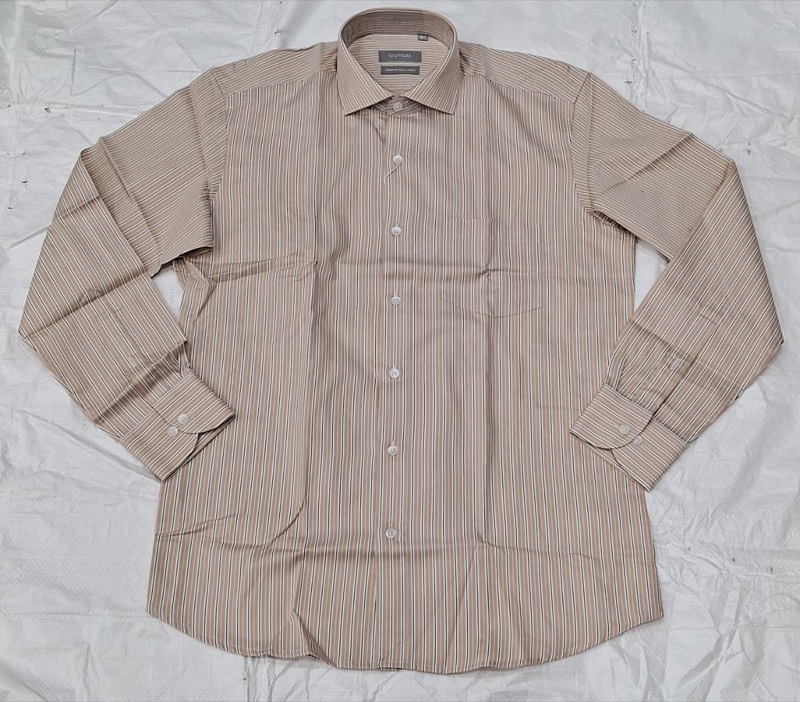
A beige formal shirt with a fine stripe

Rule No. 3

Choosing shirt colours

Start with the colours that do the most: white and light blue. Add pale pink, lavender and light grey for variety, and keep darker shirts for evenings. If your complexion is fair, softer colours and lower contrast flatter; deeper complexions carry stronger contrasts — crisp white, richer blues and jewel tones — beautifully.

Remember that colour reads differently at different times of day. A shirt that looks perfect under office lighting may appear stronger in sunlight.

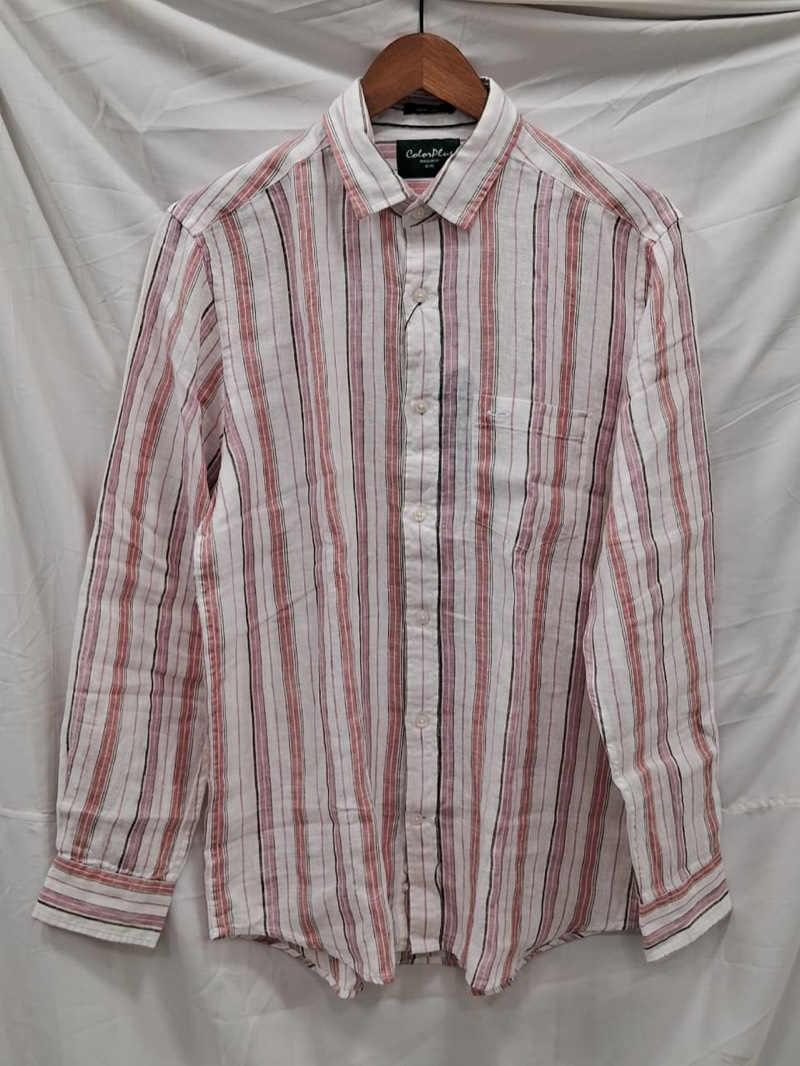
A pink and white striped shirt on a hanger

Rule No. 4

Matching patterns

The rule is to vary scale. If you wear two patterns together, make one noticeably larger than the other: a fine-striped shirt with a broadly striped or patterned tie, or a small-check shirt with a solid tie and a subtly patterned jacket.

Three patterns can work, but only when each differs in scale and at least one is very subtle. When in doubt, keep one element solid.

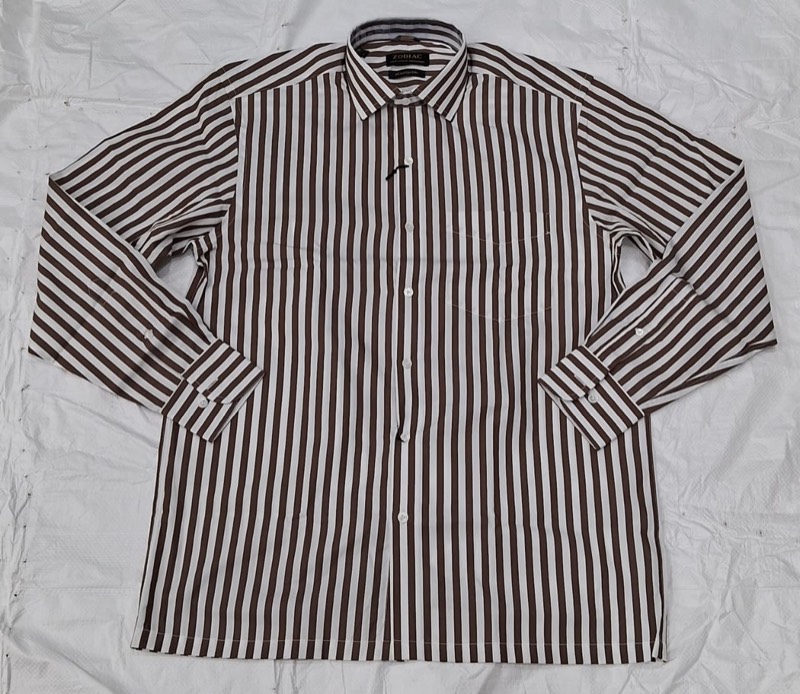
A brown and white bold-striped shirt

Rule No. 5

Understanding contrast

Contrast is the difference in lightness between shirt, tie and jacket. High contrast — white shirt, dark suit, dark tie — looks formal and authoritative. Low contrast — grey shirt, grey suit, grey tie — looks modern and quiet but can turn flat.

Match the contrast of your outfit to your own colouring: people with dark hair and fair skin often look best in higher contrast, while those with softer colouring may prefer medium contrast.

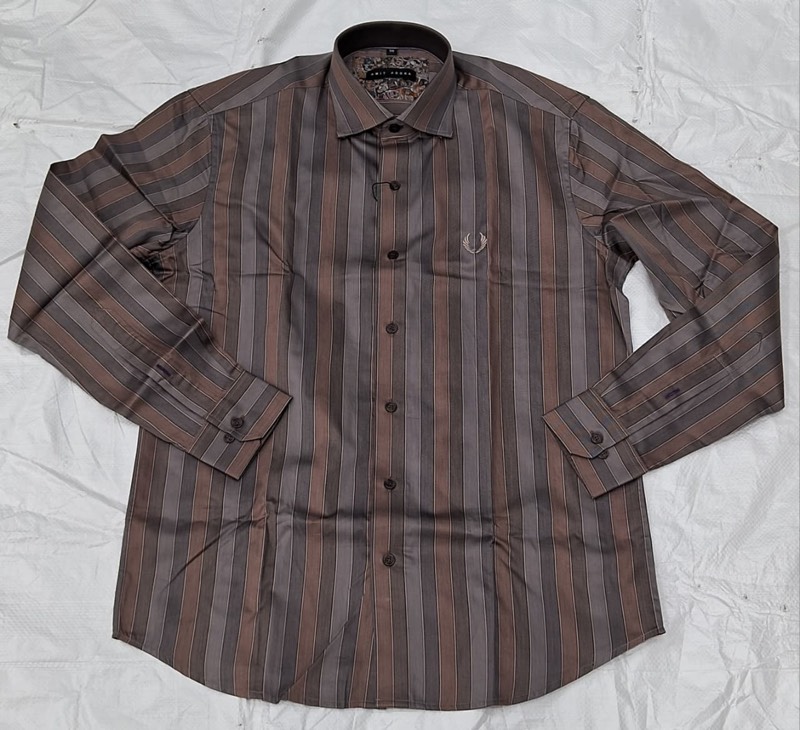
A brown striped formal shirt

Rule No. 6

Choosing the right collar

A collar should balance the face. Narrow, long faces benefit from spread collars that add width; round faces look longer with point collars. With a tie, match the knot to the collar: small knots for point collars, fuller knots for spread and cutaway collars.

Without a tie, choose a collar with enough structure to stand up neatly; soft collars can collapse beneath a jacket lapel.

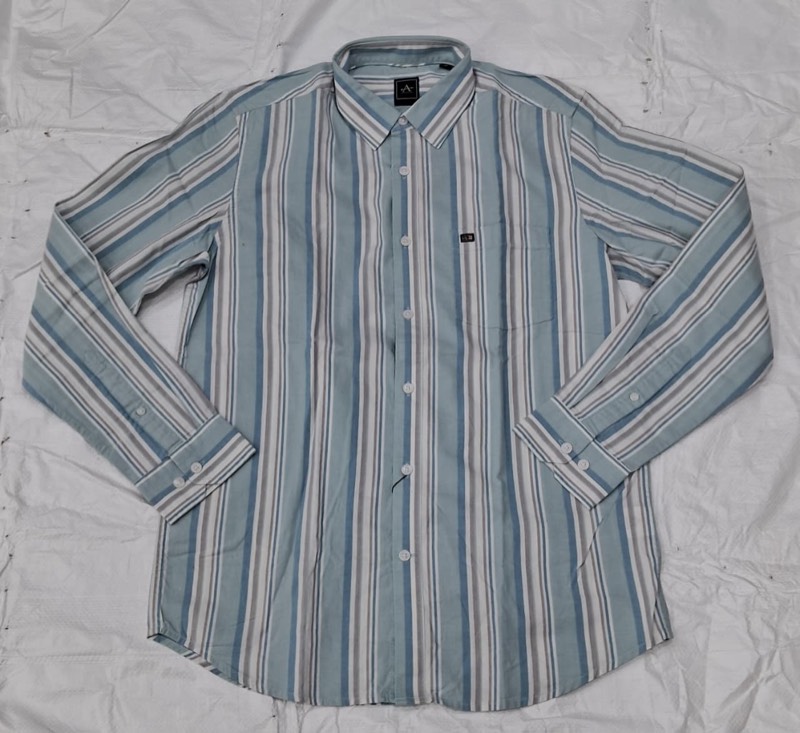
A teal and white striped formal shirt

Rule No. 7

Shirt tucking techniques

A formal shirt should always be tucked in. For a smooth front, tuck the shirt fully, then pinch the excess fabric at each side seam and fold it back towards the spine before fastening your trousers — a simple version of the "military tuck".

A shirt long enough to stay tucked and trousers that sit at your natural waist make all the difference. Undershirts that are also tucked help keep everything in place.

Rule No. 8

Styling with blazers

A blazer relaxes a formal shirt slightly. Navy is the most versatile; grey, olive and textured blazers add character. Patterned shirts look best under plain blazers, while plain shirts can take a textured or checked jacket.

With a blazer and no tie, a spread or semi-spread collar with a firm interlining keeps the neckline neat.

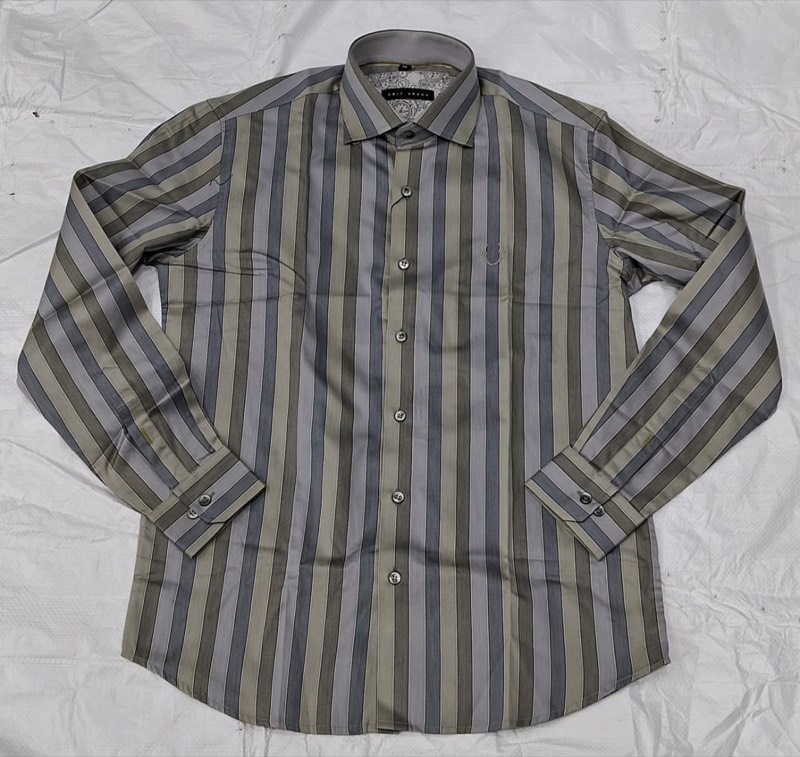
An olive and blue striped shirt

Rule No. 9

Styling with suits

A suit is the most formal setting for a shirt, so detail matters: a collar that sits above the jacket collar at the back, about a centimetre of cuff showing at the sleeve, and a shirt colour lighter than the suit.

Navy and charcoal suits accept almost every shirt colour. Black suits favour white, black or grey shirts; brown and beige suits favour blues, whites and creams.

Rule No. 10

Selecting ties

The tie should usually be darker than the shirt and, when patterned, of a different scale. Let the tie tip reach the belt buckle. Silk ties suit formal settings; knitted ties are slightly more relaxed and work well with Oxford shirts.

Choose the knot for the collar: a four-in-hand for point collars, a half-Windsor for semi-spread and spread, a fuller knot only with wide collars.

A red and white striped shirt

Rule No. 11

Choosing formal shoes

Black Oxfords are the most formal shoe and suit black, charcoal and navy. Dark brown Oxfords and Derbies are the everyday business choice and suit navy, grey and beige. Loafers belong to smart-formal and business-casual days.

Match the belt to the shoes, keep the leather polished, and choose socks that match the trousers rather than the shoes.

Rule No. 12

Accessory coordination

Accessories should support, not compete. A slim watch fits under a cuff; cufflinks belong only with French cuffs; a tie bar sits between the third and fourth shirt buttons and should be narrower than the tie. A pocket square should complement — not match — the tie.

Choose metals that agree: a silver watch with silver cufflinks and buckle, or gold throughout.

Rule No. 13

Maintaining a polished appearance

Polish is maintenance. Wash shirts promptly in humid weather, iron collars and cuffs carefully, use collar stays, and rotate shirts so each has time to rest. Replace shirts when collars fray or whites dull.

Keep a spare shirt at the office during the monsoon and for evening events after long days.

Rule No. 14

Building a versatile formal-shirt wardrobe

A strong starting wardrobe can be as small as seven shirts: two white, two pale blue, one fine stripe, one small check and one colour such as pink or lavender. Add an evening shirt in a deeper tone when you need it.

Build outward from what you wear most, and keep fits consistent once you find one that suits you. Read more in How to Build a Versatile Business Wardrobe.

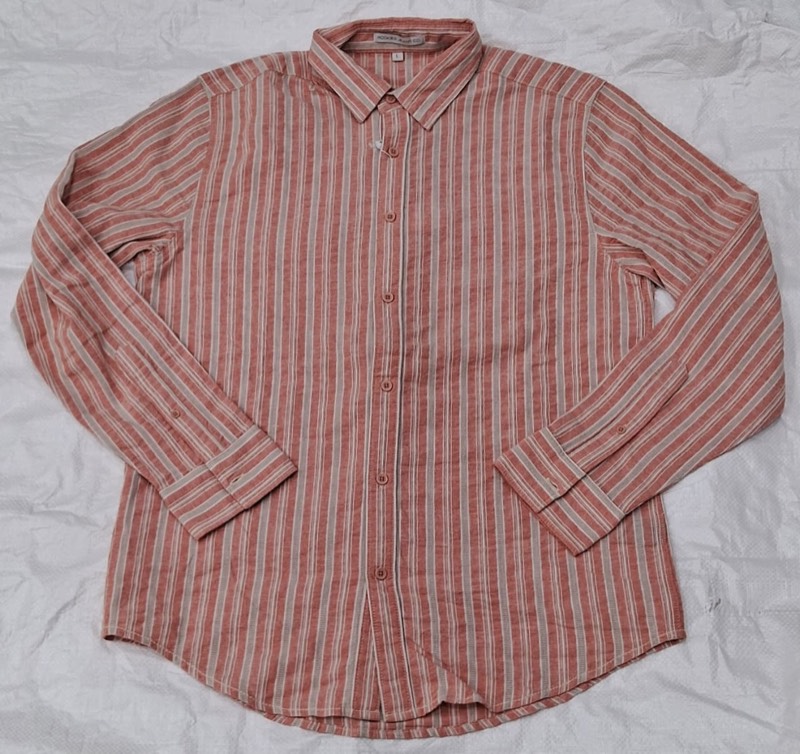
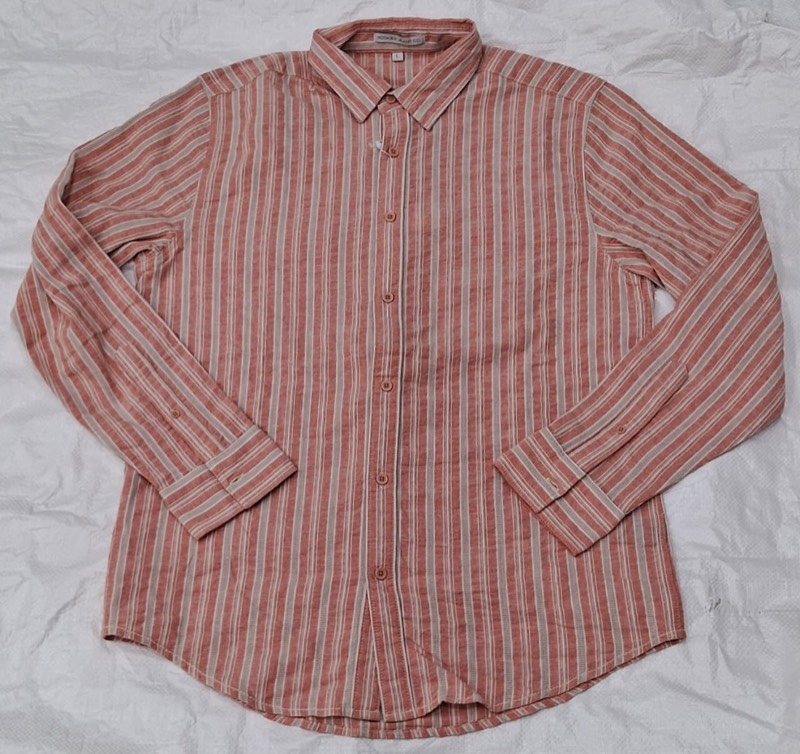
A coral and white striped shirt

Rule No. 15

Common formal dressing mistakes

Most mistakes are small and easily corrected: a shirt that is too large, a collar too tight to button, a tie that is lighter than the shirt, mismatched leathers, or short sleeves under a suit. The register below lists the most frequent ones.

Rule No. 15, continued

The register of common mistakes

Not doneDone instead
A tie lighter than the shirtA tie darker than the shirt, so it reads clearly
Short-sleeved shirts under a suit jacketLong sleeves, with a little cuff showing
Brown belt with black shoesBelt and shoes in the same colour and finish
Collar points curling or missing staysCollar stays in place, collar pressed
Every button straining across the chestA tailored or regular fit that lies flat
Three bold patterns at onceOne bold pattern, partnered by solids or small scales
Untucked formal shirt with trousersTucked, with the side-fold technique
A wrinkled shirt with an expensive suitA well-pressed shirt — it matters more than the suit
Cufflinks with barrel cuffsCufflinks only with French or double cuffs
A loose tie knot below an open top buttonTop button fastened, knot snug to the collar