III The Foundation

Room III The Foundation

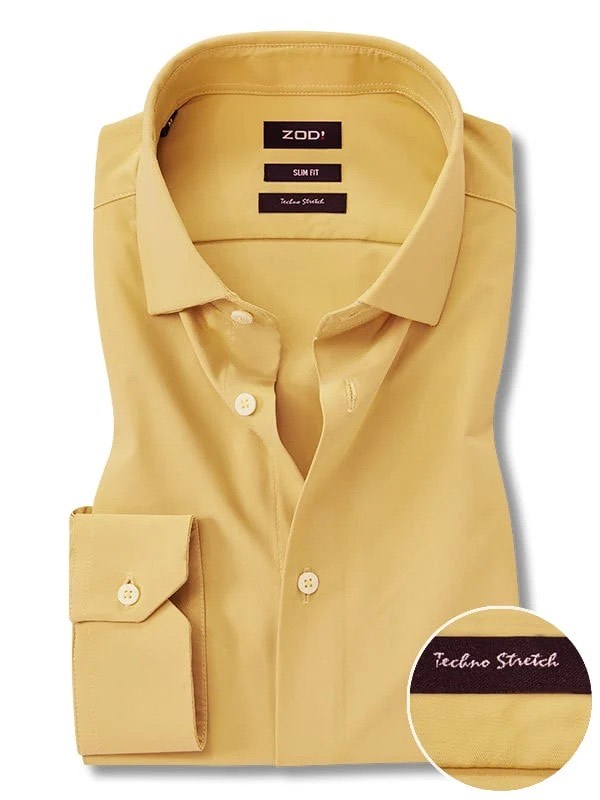
A butter-yellow formal shirt folded to show the collar, placket and cuff

III The Foundation

Men's formal shirts: the foundation of a refined wardrobe

formal shirt /ˈfɔː.məl ʃɜːt/ n.

A long-sleeved, button-front shirt with a structured collar and cuffs, cut in a smooth, fine fabric and designed to be worn tucked in — on its own, with a tie, or beneath a suit or blazer.

This room covers everything that makes a shirt formal: its silhouette, collar, cuffs, placket and buttons; the colours and patterns that belong in professional dress; and how to choose formal shirts for different environments.

Formal, business-casual and casual

Three rungs of the dress-code ladder

The line between shirt categories is drawn by details rather than labels. Climb down the ladder and collars soften, fabrics gain texture, sleeves shorten and the hem is cut to be worn outside the trousers.

  1. Rung I

    Formal

    • Structured collar with interlining — point, semi-spread, spread or cutaway
    • Long sleeves with barrel or French cuffs
    • Smooth weaves: poplin, broadcloth, fine twill, pinpoint
    • White, pale blue, soft pastels; fine stripes and small checks
    • A longer, curved tail designed to stay tucked in

    Suits, ties, interviews, boardrooms, ceremonies.

  2. Rung II

    Business-casual

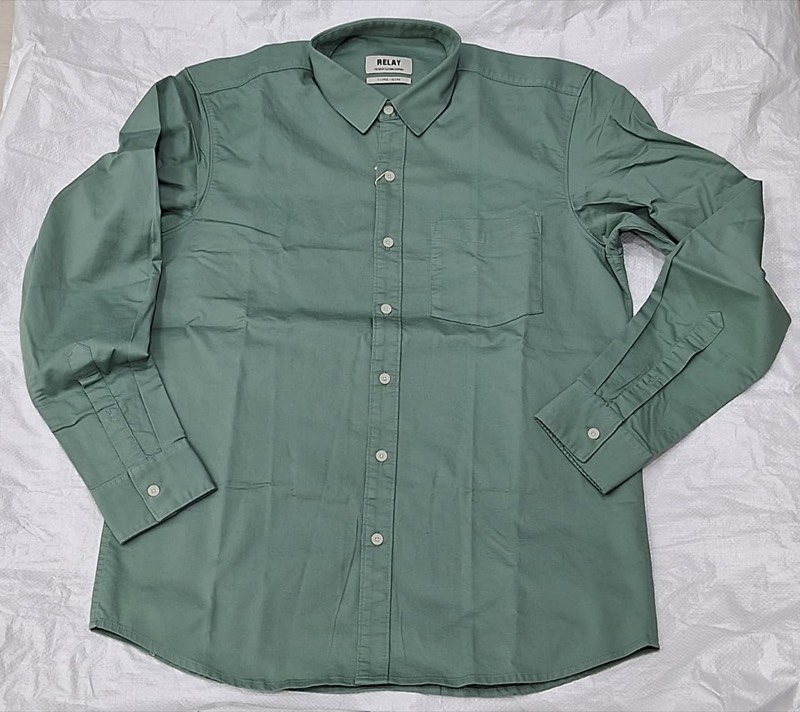
    A sage green shirt suited to business-casual dressing
    • Softer collars, including button-down; often worn without a tie
    • Oxford, end-on-end and gently textured cottons
    • A broader palette — sage, deeper blues, bolder stripes and checks
    • Worn with chinos, blazers and smart trousers

    Relaxed offices, travel days, informal meetings.

  3. Rung III

    Casual

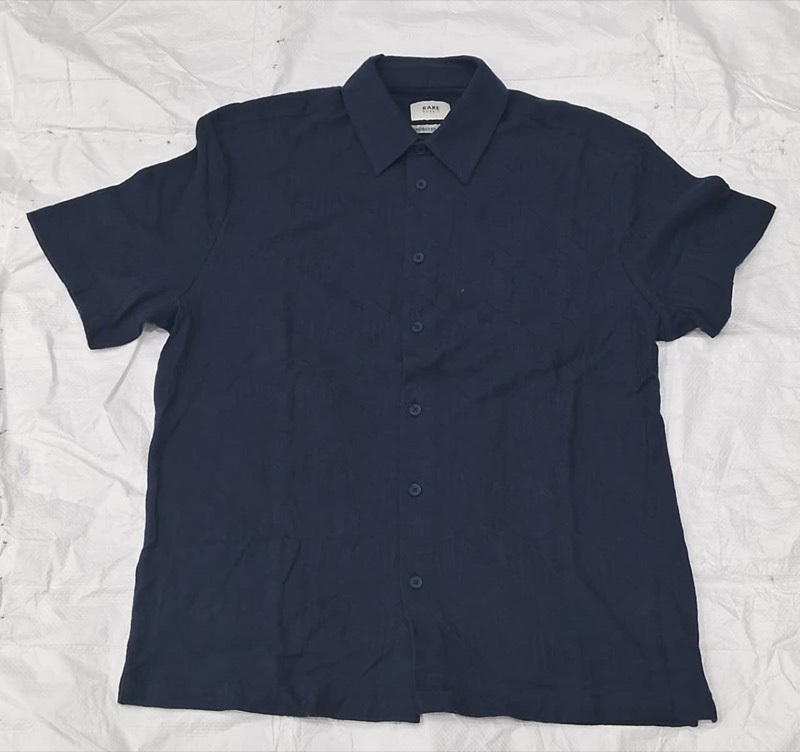
    A navy half-sleeve casual shirt laid flat
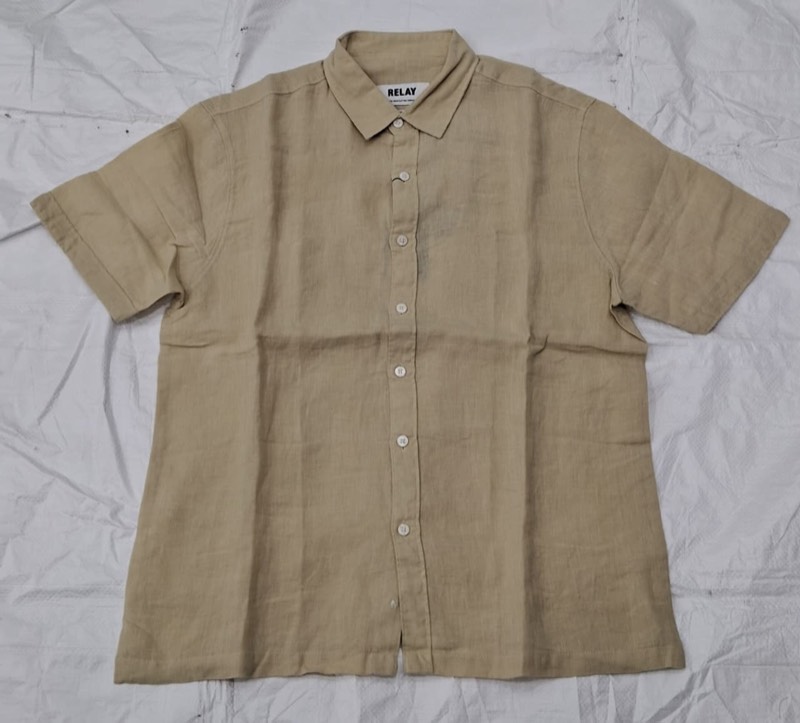
    A khaki half-sleeve casual shirt laid flat
    • Half sleeves, camp or soft unstructured collars
    • Linen-look, printed and textured fabrics; bold prints
    • Straight hems designed to be worn untucked

    Weekends and leisure — not a substitute for a formal shirt.

Classic formal shirt characteristics

The anatomy of a formal shirt

Silhouettes

Formal shirts are cut in three broad silhouettes. Slim fit is shaped through the chest and waist with narrower sleeves. Regular fit falls straighter from chest to hem, giving generous room to move. Tailored fit sits between them — gently shaped, never tight. All three are cut longer at the back so the shirt stays tucked when you sit or reach.

Compare the fits

Collar variations

The point collar has narrow-set points and lengthens the face. The semi-spread opens slightly wider and suits almost everyone. The spread and cutaway open further still, framing larger tie knots. The button-down, born of sport, is the least formal of the family.

See every collar drawn

Cuff variations

Barrel cuffs close with one or two buttons and are the everyday standard. French (double) cuffs fold back on themselves and fasten with cufflinks; they are the most formal option and belong with suits and occasion dressing. Some cuffs combine buttons with holes for links.

Buttons & placket

A front placket is a visible, stitched strip that holds the buttonholes; a plain front folds the edge inside for a cleaner look; a concealed placket hides the buttons entirely for a minimal, evening-ready finish. Buttons are usually small, flat and in a tone that matches or quietly contrasts with the cloth.

Formal shirt colours & pattern choices

Nine chapters in colour and pattern

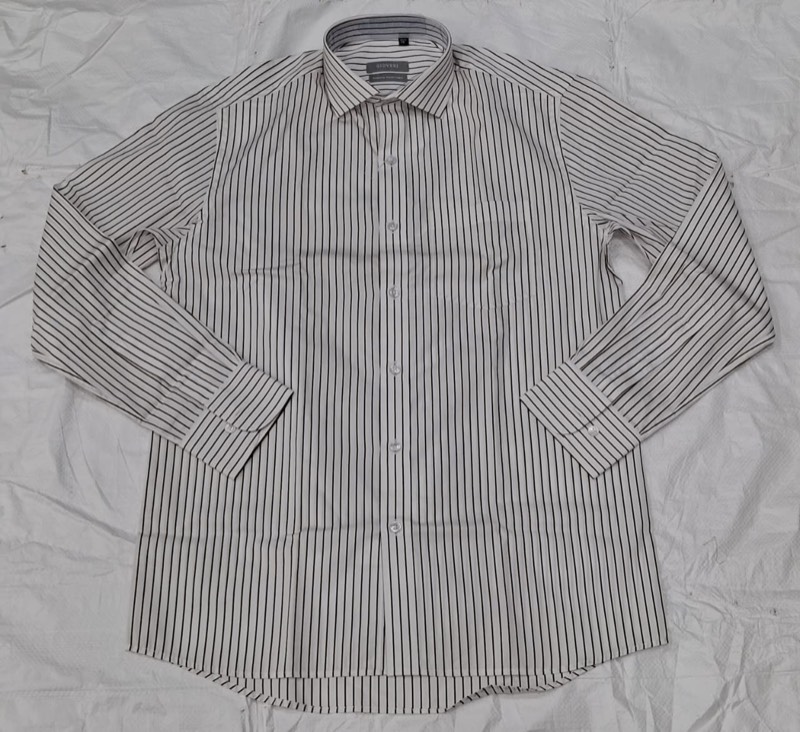
A white formal shirt with a faint grey stripe laid flat

Chapter I

White formal shirts

The white formal shirt is the most formal and versatile shirt a man can own. It reflects light onto the face, provides a clean background for any tie and suits every suit colour from navy to black. It is the natural choice for interviews, ceremonies, important meetings and black-tie evenings alike.

Look for a dense, opaque white so the shirt does not show through, and remember that a white shirt shows wear first at the collar and cuffs — keep it bright with prompt washing. A faint stripe on a white ground, like the one pictured, keeps all the versatility while adding subtle depth.

Wear it with: Navy, charcoal or black suits; burgundy, navy or silver ties.
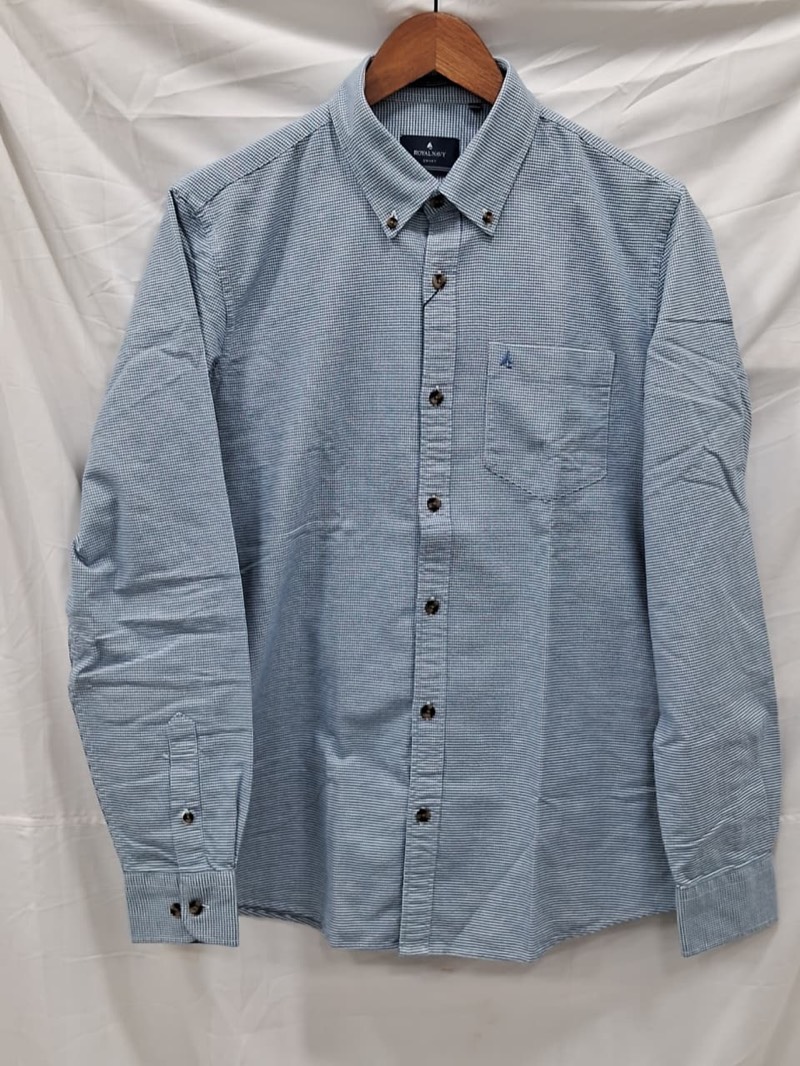
A light blue formal shirt with a fine texture on a wooden hanger

Chapter II

Blue formal shirts

Blue is the everyday colour of business. Pale blue is nearly as versatile as white but softer against the skin, and it photographs well under office lighting. Mid blues read slightly less formal and work beautifully without a tie. Fine textures and micro-checks in blue add interest that only appears up close.

Blue formal shirts flatter most complexions and pair easily with navy, grey, charcoal and beige. Avoid matching a blue shirt with an identical blue tie; a darker navy or a contrasting burgundy keeps the combination crisp.

Wear it with: Grey or navy suits; navy, burgundy or brown ties.

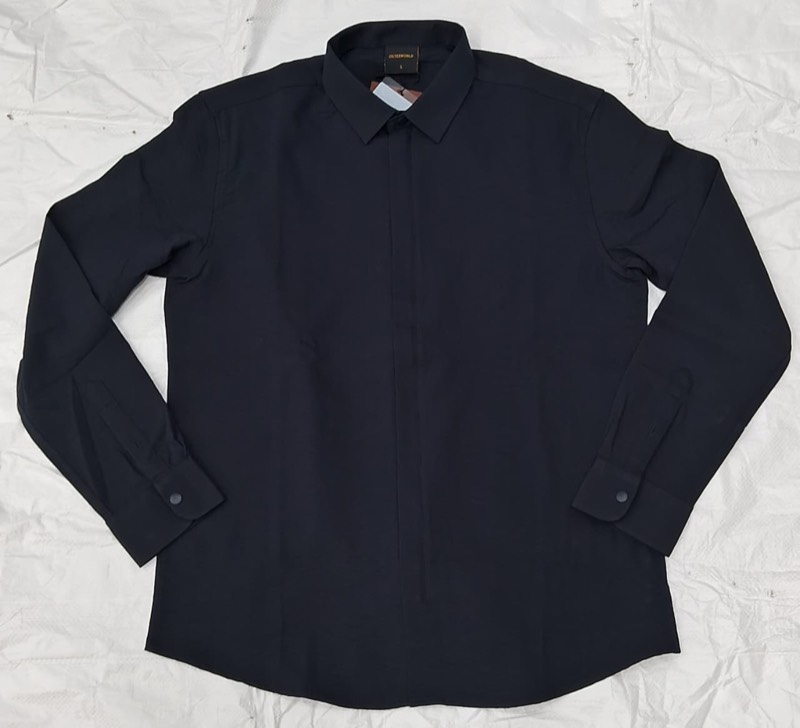
A dark black formal shirt laid flat

Chapter III

Black formal shirts

A black formal shirt is an evening shirt. It feels dramatic and modern at receptions, dinners and social occasions, especially in a fabric with a subtle sheen or texture. In daytime business settings it can feel severe, so most offices are better served by lighter colours.

Wear black with black, charcoal or deep grey; it can work without a tie, or with a tie in silver, deep jewel tones or a tonal black. Keep accessories minimal and leather shoes dark and polished.

Wear it with: Charcoal or black suits; no tie, or silver and jewel tones.

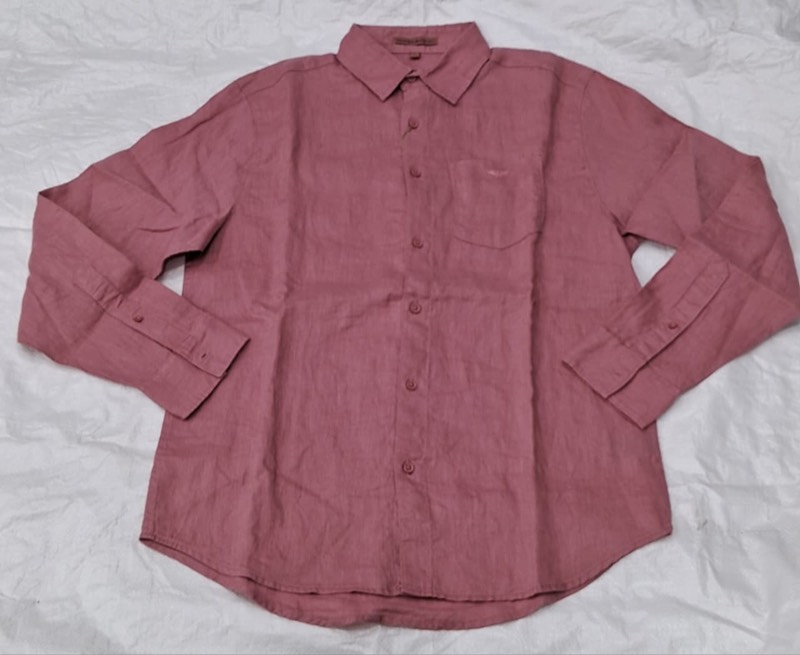
A pink formal shirt laid flat

Chapter IV

Pink formal shirts

Pale pink is a confident classic. It warms the complexion, softens a dark suit and signals assurance without loudness. Deeper rose and dusty pink tones bring a more fashion-forward feel while remaining entirely appropriate for the office.

Pink is happiest with navy and charcoal. A navy or burgundy tie grounds it; grey works for a cooler, modern look.

Wear it with: Navy or charcoal suits; navy, burgundy or grey ties.

A grey formal shirt with a subtle woven texture on a hanger

Chapter V

Grey formal shirts

Grey shirts create low-contrast, understated combinations that feel contemporary. A light grey works in the office; mid and charcoal greys lean towards evening and creative settings. Grey textures are particularly effective because they show depth without colour.

Pair grey shirts with charcoal, black or navy, and choose ties with enough contrast — black, plum, burgundy or a textured knit — to stop the outfit looking flat.

Wear it with: Charcoal or black trousers; plum or black ties.

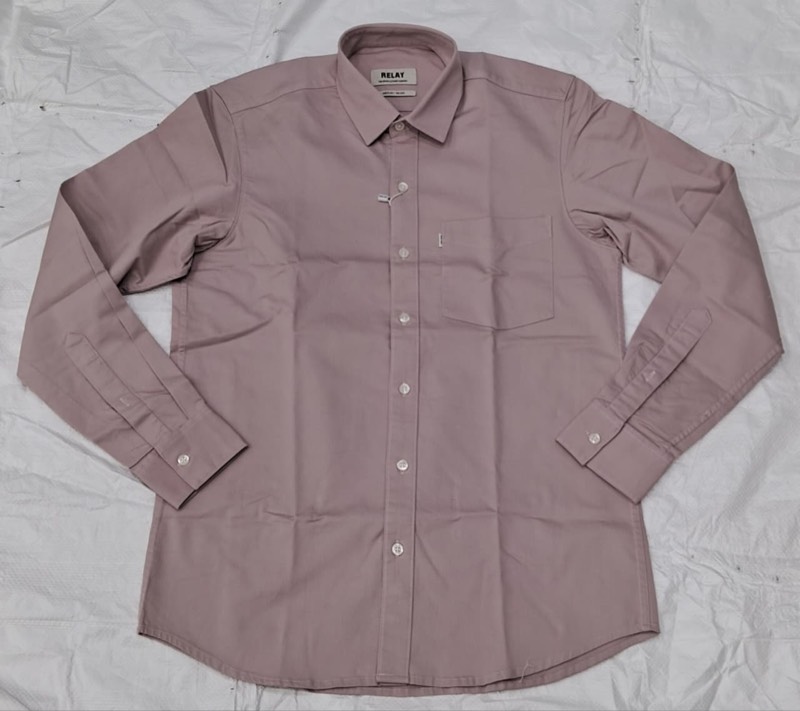
A soft lavender-mauve formal shirt laid flat

Chapter VI

Lavender formal shirts

Lavender is a refined alternative to blue and pink — distinctive, but never flashy. It is especially elegant with charcoal and navy and brings a quiet sense of occasion to receptions and festive office gatherings. Mauve and lilac variations, like the one pictured, are equally wearable.

Choose a purple, navy or silver-grey tie. Avoid pairing lavender with brown suits, which can muddy the colour.

Wear it with: Charcoal or navy suits; deep purple or silver ties.

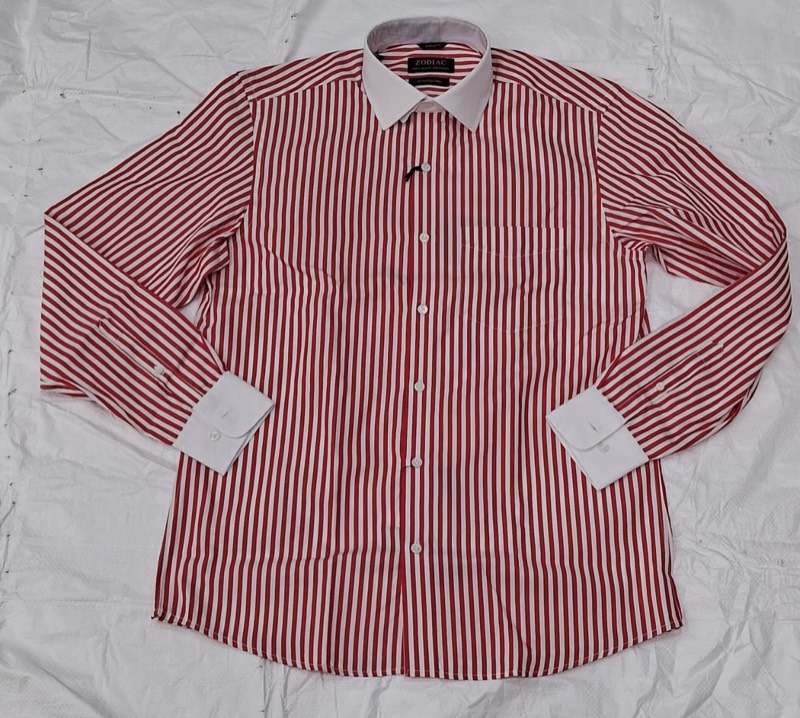
A red and white striped formal shirt with a contrast white collar and cuffs

Chapter VII

Striped formal shirts

Stripes add vertical movement and quietly lengthen the frame. Hairline and pencil stripes are formal enough for suits and ties; Bengal stripes are bolder and suit everyday business; candy stripes feel lighter still. A contrast white collar and cuffs, as pictured, is a classic, confident variation.

Balance stripes with scale: pair a fine-striped shirt with a solid or broadly patterned tie, never a stripe of the same width.

Wear it with: Solid suits; solid or large-scale patterned ties.

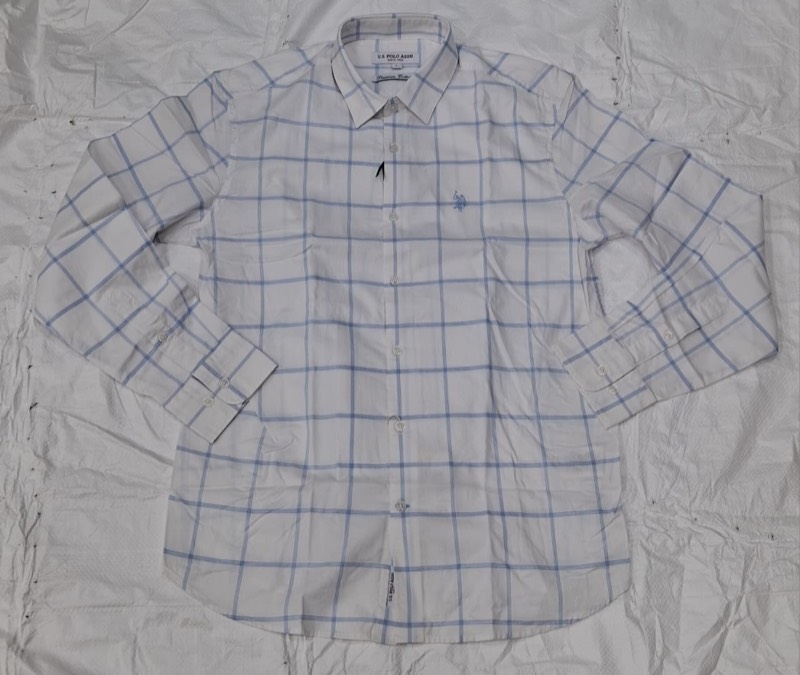
A white formal shirt with a blue windowpane check

Chapter VIII

Checked formal shirts

Checks bring personality to business dress. Gingham is friendly and fresh; windowpane is open and architectural; micro-checks look almost solid from a distance. Keep checks small and colours soft for formal settings; larger, bolder checks are smart-casual.

A checked shirt looks best with plain suits and solid or subtly textured ties.

Wear it with: Plain navy or charcoal suits; solid knit or silk ties.

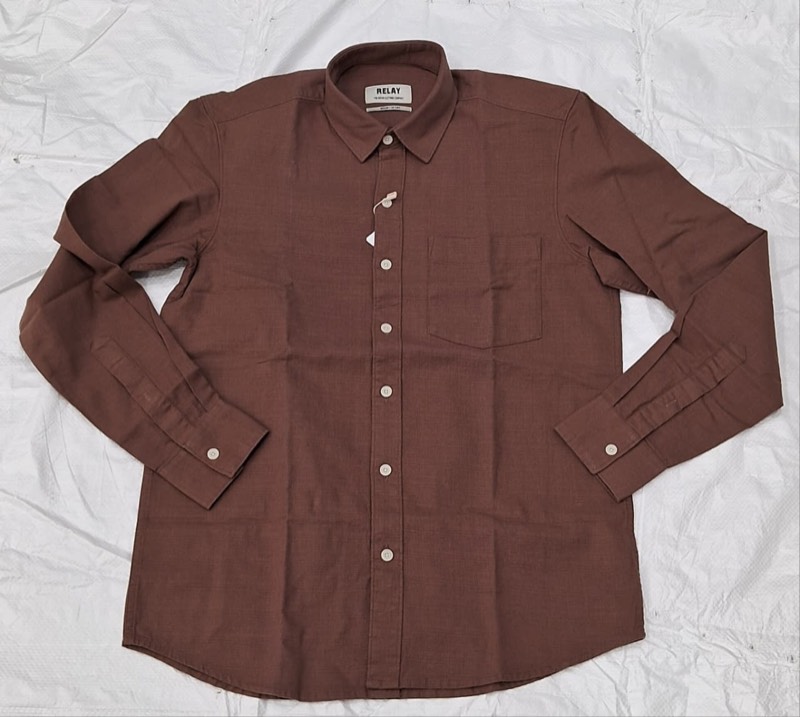
A plain rust-brown formal shirt laid flat

Chapter IX

Plain formal shirts

Plain, solid-colour shirts are the easiest to coordinate and the most formal in any given colour. They let the tie, the suit and the wearer take the lead. Beyond white and blue, solids in rust, olive, burgundy or charcoal make strong statements for evenings and contemporary offices.

With a plain shirt, introduce interest through the tie, a pocket square or the texture of the jacket.

Wear it with: Anything — let the tie or jacket carry the pattern.

Choosing for the environment

Which formal shirt for which room?

A practical reference. "Strong" choices are reliable; "possible" choices depend on the culture of your workplace.

EnvironmentStrong choicesPossibleCollar & fit
Traditional corporate, banking, lawWhite, pale blue, hairline stripesPale pink, subtle micro-checksPoint or semi-spread; regular or tailored
Client-facing and consultingWhite, pale blue, fine stripesLavender, soft checksSemi-spread; tailored
Contemporary and creative officesBlue, grey, textured solidsPink, sage, bolder stripesSpread or button-down; slim or tailored
Government and public serviceWhite, light blue, creamFine stripes, small checksPoint or semi-spread; regular
Evening events and receptionsWhite, black, deep tonesBurgundy, plum, subtle sheenSpread or cutaway; slim or tailored
InterviewsWhite, pale blueVery fine stripeSemi-spread; a fit that lies flat