
Slim Fit vs Regular Fit: Understanding the Difference
How slim-fit and regular-fit formal shirts differ through the chest, waist and sleeve, and how to choose between them.
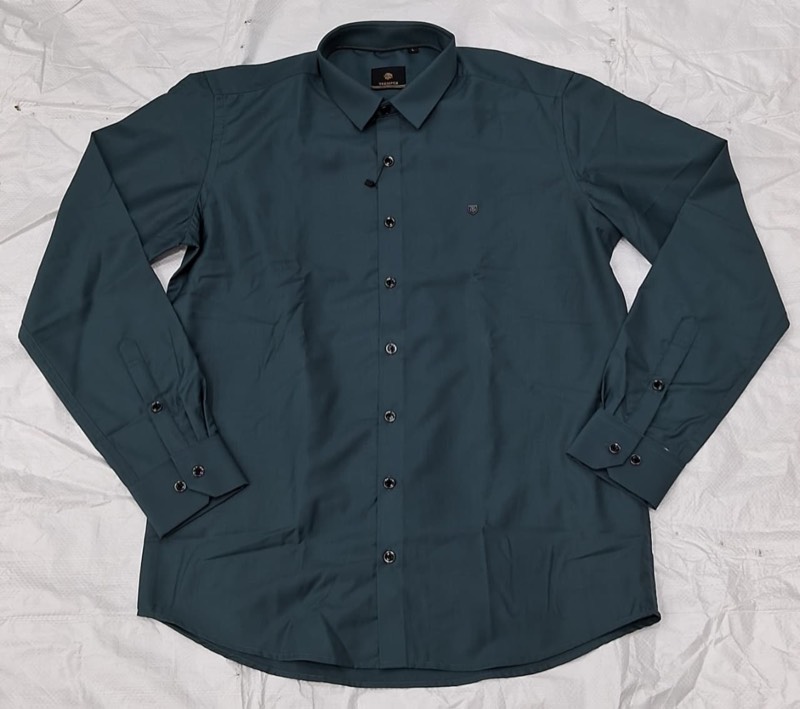
Few labels on a shirt cause as much confusion as "slim fit" and "regular fit". Many men pick one out of habit, or because a friend recommended it, without being quite sure what the difference is or whether it suits their build. In truth, neither is better. They are two different answers to the same question: how closely should a shirt follow the body? Once you understand what changes between them, choosing becomes a matter of your shape, your work and your comfort rather than fashion.
What the labels actually mean
The first thing to know is that there is no universal standard. One maker's slim fit can be close to another's regular, and a "tailored" or "contemporary" fit may sit anywhere between the two. The labels describe a general intention rather than a fixed set of measurements, which is why trying shirts on matters far more than reading the tag.
That said, the broad distinction is consistent.
Regular fit. Cut with more room through the chest, waist and often the sleeves and armholes. The body falls fairly straight from chest to hem. It prioritises ease of movement and a comfortable, traditional silhouette.
Slim fit. Cut closer to the body, with the waist noticeably narrower than the chest. Armholes are usually higher and sleeves narrower. It gives a cleaner, more defined outline with less loose fabric.
Tailored fit. Where offered, this usually sits between the two: some shaping at the waist without the closeness of a true slim cut. It is often a good compromise for men who find regular fits too loose and slim fits too tight.
Our shirt fit guide sets out how each of these fits should sit on the body in more detail.
Where the differences show
The collar size may be identical across fits. What changes is everything below it. When comparing slim-fit and regular-fit formal shirts, look at these areas.
Chest and waist
This is the most obvious difference. A regular-fit shirt leaves room at the waist, so when tucked in it gathers a little fabric around the belt. A slim-fit shirt tapers inward, often using darts (stitched folds) at the back to take in the excess, so it lies flatter once tucked.
Armholes and sleeves
Higher, smaller armholes in slim fits allow the arm to move more freely without pulling the whole shirt up, which may sound counter-intuitive but is often true. Sleeves are narrower, which looks neater but can feel restrictive if you have muscular arms.
The back
Regular-fit shirts often have a box pleat or side pleats below the yoke to give room across the shoulders. Slim fits may have smaller pleats, none at all, or back darts for shaping. These details tell you a lot about how a shirt is meant to sit.
Matching the fit to your build
Body shape matters more than any trend. As a broad guide, though individual shirts always vary:
- Lean or slight builds often look best in slim fits. Regular fits can leave excess fabric that billows at the waist and makes a slender frame look lost in the shirt.
- Athletic builds with broad shoulders and a narrower waist may find slim fits too tight across the chest and arms, while regular fits balloon at the waist. A tailored fit, or a slim fit in a larger size, is often the answer.
- Average builds can usually wear either. The choice comes down to how you like a shirt to feel and what you wear it with.
- Fuller builds, particularly with a fuller midsection, usually find regular fits more comfortable and more flattering. A slim fit that strains at the buttons draws attention to exactly what you might want to downplay.
The important principle is that a shirt should follow your shape, not fight it. A slim fit that pulls is a worse fit than a regular fit that sits cleanly.
Comfort, climate and the working day
Fit is not only about appearance. A formal shirt has to work through a long day of commuting, sitting, reaching and gesturing, and in Mumbai that day usually involves humid streets followed by a chilly, air-conditioned office.
In heat and humidity, a closer fit means fabric stays in contact with the skin, which some men find uncomfortable when damp. A regular or tailored fit allows a little more air to move. On the other hand, a well-cut slim shirt in a light, breathable cotton can feel perfectly comfortable, and it does not leave loose folds that wrinkle and crumple during a crowded train journey.
Think too about how you spend the day. If you sit for long hours at a desk, drive a lot or travel frequently, a shirt that is slightly more forgiving through the waist will usually serve you better. If you are standing, presenting or moving around a lot, a slimmer cut stays neater. Our guide to dressing for office, meetings and business travel looks at these practical demands more broadly.
Fit and formality
How you wear the shirt also influences the choice. Under a jacket, a regular-fit shirt can bunch at the waist and sleeves, creating bulk beneath the suit. Slim and tailored fits generally sit more neatly under tailoring. Worn on its own, as many office wear shirts for men are in warm climates, a shirt's silhouette is fully visible, so excess fabric is more noticeable.
That does not make regular fits less formal. A well-pressed regular-fit white shirt with a tie and dark trousers looks entirely correct. It simply means that if your regular-fit shirts look baggy, the problem may be the size or the cut rather than the style itself. How the shirt works with ties, trousers and shoes is covered in our gentleman's style guide.
A step-by-step fitting room check
Whichever fit you lean towards, check every new shirt the same way. It takes a couple of minutes and avoids most disappointments.
- Collar. Button it. You should be able to slip one or two fingers inside comfortably. Any tighter and it will feel worse by afternoon; any looser and it will gape with a tie.
- Shoulders. The shoulder seam should sit at or very close to the edge of your shoulder bone, not halfway down the upper arm or riding up towards the neck.
- Chest. Look for a smooth front with no pulling at the buttons when you stand naturally.
- Movement. Reach forward as if across a table, then cross your arms. The shirt should not feel as though it will tear at the back, and the cuffs should not ride far up the forearm.
- Waist. Tuck the shirt in. Check for excessive billowing above the belt or, at the other extreme, strain across the stomach when you sit.
- Sleeves. With arms relaxed, the cuff should reach roughly the base of the thumb and show a little below a jacket sleeve.
- Length. The shirt should stay tucked when you raise your arms and sit down.
The collar is a fitting point in its own right, and its shape matters as much as its size; we discuss this in how to choose the right formal shirt collar.
So which should you choose?
If you want a short decision guide: choose slim fit if you are lean, wear jackets often and like a sharp, close outline. Choose regular fit if you value ease of movement, have a fuller build or spend long days sitting and travelling. Try a tailored fit if neither feels quite right. Many men end up owning a mix, picking each shirt by how it sits rather than by its label.
The only reliable way to know is to try shirts on and move around in them. Visit Options Mall in Vile Parle West to explore and try formal shirts in person, and compare slim, regular and tailored cuts side by side until you find the one that feels like yours.
The Modern Gentleman's Journal · Options Mall, Vile Parle West, Mumbai